
Last Updated: March 29, 2026 – By Dr. Sarah Missaoui, DVM
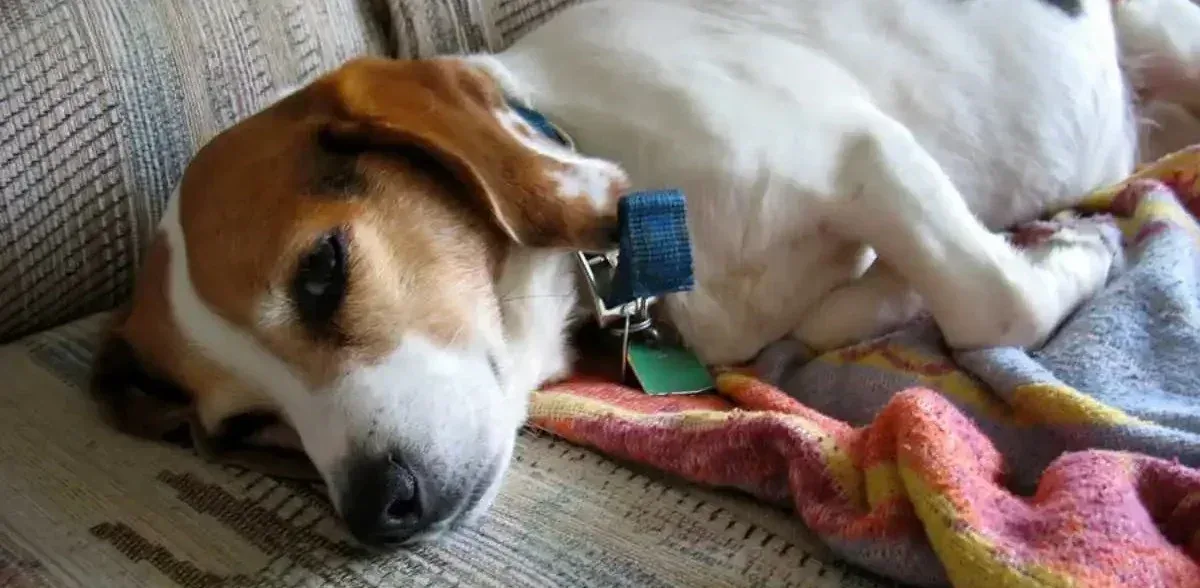
Most raw-diet transition diarrhea resolves within 5–7 days once the trigger variable is corrected. The most common causes are transitioning too fast, introducing rich organs before the gut stabilizes, and fat levels too high for the specific dog. Treat stool changes as diagnostic data – one variable at a time.
Call your veterinarian urgently if you see blood, repeated vomiting, marked lethargy, dehydration, or if diarrhea persists or worsens instead of trending back to normal.
What Is Raw-Fed Diarrhea and Why Does It Matter?
When you change diets, your dog's gut has to adapt. Some dogs transition smoothly. Others get loose stool, especially with big jumps in fat, sudden organ inclusion, or large ingredient changes.
Do not assume 'allergy' from one stool change. Watch the trend, the dog's energy, appetite, hydration, and any vomiting. Remember the food isn't the only trigger – a big, disrupted day like travel or an event can loosen stool on its own, through stress rather than diet.
Think in variables. Transition diarrhea is usually about speed, fat level, organs, and meal size – not the "detox" a lot of forums will call it. Start with the simplest change you can actually test.
Why diarrhea during transition is hard to troubleshoot
If you've been digging into raw feeding, you've probably already hit this pattern:
The hard part is choosing what to change first. A simple log and one change at a time will tell you more than a dozen competing 'rules.'
You need a simple log and one change at a time.
NRC 2006 is a reference frame. It doesn't 'approve' a recipe. It gives you a consistent way to check what the full diet delivers for your dog's life stage and energy intake.
If loose stool appears during a transition, slow down and make changes stepwise. Your notes about what changed matter as much as the ingredient list.
What to change first (in a way you can interpret)
Slow the transition. Step back to the last amount that produced acceptable stool, hold, then advance again once appetite and energy are normal.
Pause rich organs. Liver and other organs can overwhelm some dogs early on. Hold them back, stabilize, then reintroduce in smaller amounts.
Be cautious with probiotics. If you try one, introduce slowly and stop if symptoms worsen.
Write down the minimum. What changed, when stool changed, and whether appetite/energy stayed normal is often enough to decide the next move.
Common questions (kept short)
Should I fast my dog when raw feeding causes acute diarrhea?
Fasting is not a universal answer. Some dogs benefit from brief gut rest under veterinary guidance; puppies, toy breeds, and dogs with medical conditions need a different plan. If diarrhea is severe or the dog looks unwell, call your veterinarian.
What does mucus in raw-fed stool clinically indicate for my dog?
Mucus can show up with irritation or a rapid diet change. A small amount once can happen. Persistent mucus, blood, or a sick-looking dog warrants veterinary assessment.
Is excess fat or excess protein more likely to cause transition diarrhea?
For many dogs, a sudden increase in fat is a common trigger. Large meal size and rapid ingredient changes can also contribute. If you suspect fat sensitivity, keep meals lean, reduce rich extras, and change the plan gradually.
Frequently Asked Questions
How long should expected transition diarrhea last before I should worry?
Look for the trend. If stool gets worse, does not improve, or comes with blood, repeated vomiting, dehydration, or lethargy, treat it as a veterinary issue. If the dog looks well and stool is trending back toward normal, slow the transition and change one variable at a time.
Is it safe to use pumpkin to manage raw feeding diarrhea?
Plain pumpkin can help some dogs by adding fiber, but it is not a cure-all. If you try it, use small amounts and evaluate the result. If diarrhea persists, focus on the full diet transition plan and veterinary guidance.
Red flags to stop the transition and call your vet
- Blood (bright red or black/tarry)
- Repeated vomiting
- Marked lethargy or a dog that looks 'not right'
- Dehydration or refusal to drink
- Diarrhea that persists or worsens instead of trending back toward normal
Sources & References
- National Research Council. (2006). Nutrient Requirements of Dogs and Cats. Washington, DC: The National Academies Press. View Publication →
- Heilmann RM, Jergens AE, Kathrani A, et al. (2026). ACVIM-endorsed statement: consensus statement and systematic review on guidelines for the diagnosis and treatment of chronic inflammatory enteropathy in dogs. J Vet Intern Med. doi:10.1093/jvimsj/aalaf017. DOI → – PMC full text →
- Dillitzer N, Becker N, Kienzle E. (2011). Intake of minerals, trace elements and vitamins in bone and raw food rations in adult dogs. British Journal of Nutrition, 106(S1), S190–S192. DOI →