
Raw Feeding Knowledge Base
Raw Feeding Guides Checked Against NRC 2006
These guides cover home-prepared raw diets for dogs: the nutrients raw bowls most often miss, how to work out calories and portions, ingredient choices, breed needs, and feeding a dog with a gut or pancreas problem alongside a vet. Each figure is checked against NRC 2006, the National Research Council’s nutrient requirements for dogs. New to raw feeding? Start with the ratio guide and the calorie calculator.
Nutrient Science & NRC Standards
Build a practical foundation for micronutrients using NRC (2006) as a reference. These guides focus on the common failure modes in home-prepped diets and how to review a recipe in consistent units, not guess from bowl ratios.

Our Scientific Foundation
How the calculator works: safety caps, math checks, and what the system reviews.
Updated October 24, 2026
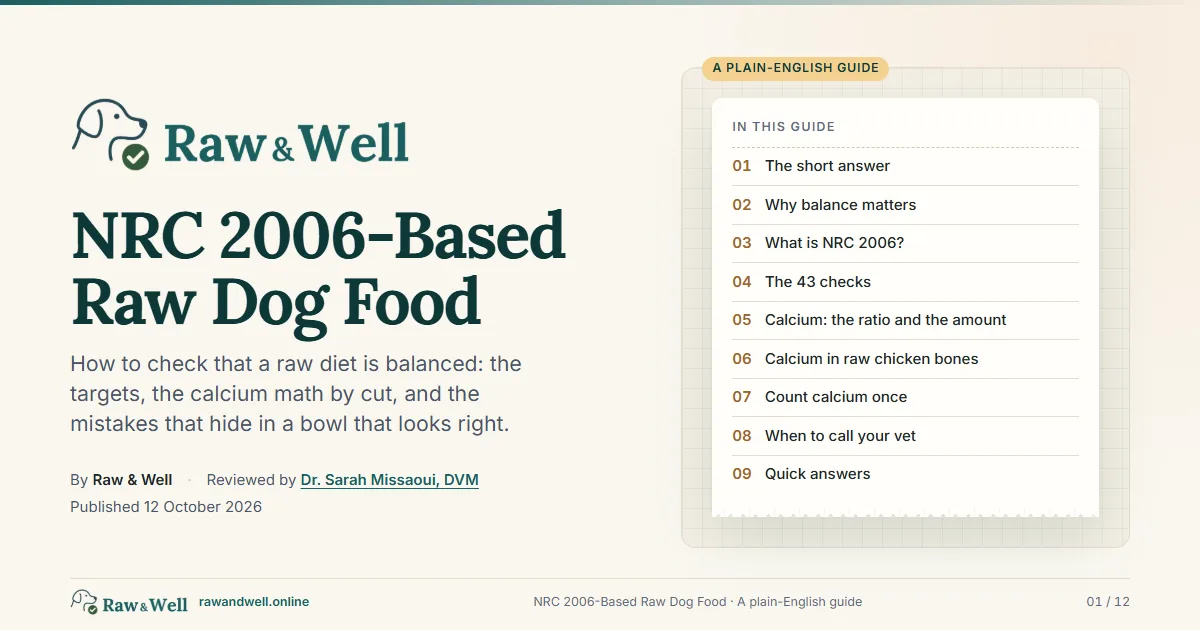
NRC 2006-Based Raw Dog Food: A Plain-English Guide
A 12-slide guide: the NRC 2006 targets, the calcium math by cut, and when to call your vet.
Updated October 12, 2026
What Is NRC 2006?
The peer-reviewed standard the calculator runs on: nutrient targets per 1,000 kcal, set in 2006 and still cited.
Updated October 24, 2026

Micronutrient Deficiency: Fix the Gaps
Raw feeding mistakes happen quietly. Learn which 7 nutrients fail most and how NRC 2006 catches gaps.
Updated October 20, 2026
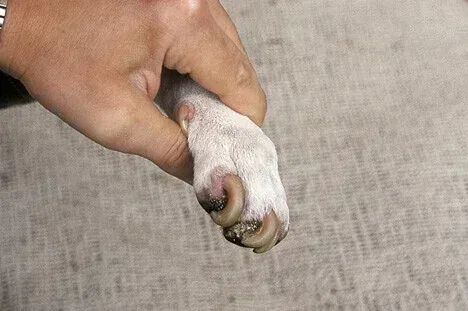
Zinc Deficiency Guide
Why zinc runs short in home-prepped raw diets, and what it does for skin and coat.
Updated October 20, 2026
Manganese & Ligaments
Why chicken-heavy rotations run low on manganese, and which foods close the gap.
Updated October 20, 2026

Iodine in Raw-Fed Dogs: NRC Targets & Thyroid Risk
Raw diets miss iodine more than owners realize. NRC 2006 requires 220 mcg per 1,000 kcal ME.
Updated October 21, 2026
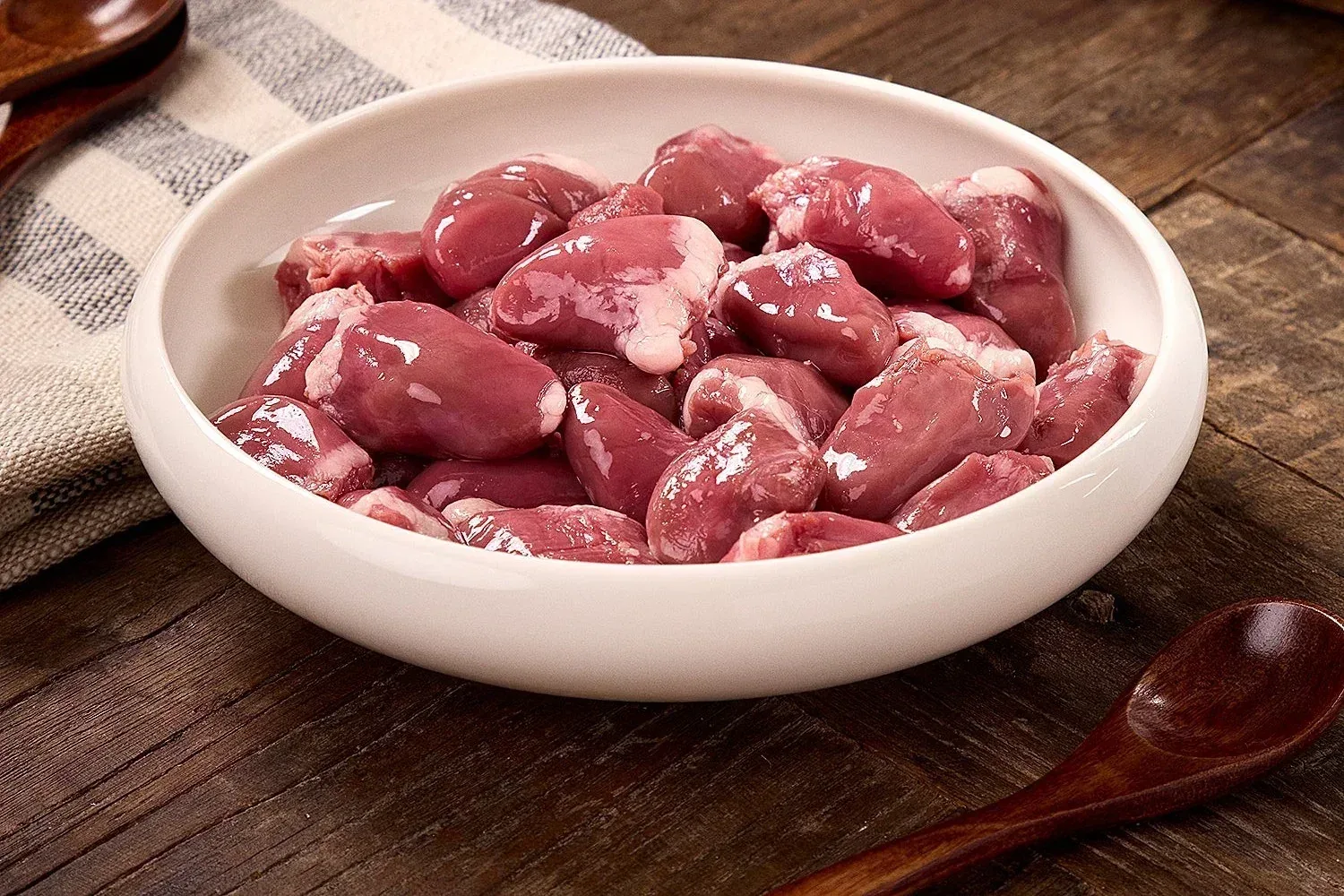
Taurine & Heart Health
Why heart alone doesn't settle taurine, and why the whole bowl is the number that matters.
Updated October 20, 2026
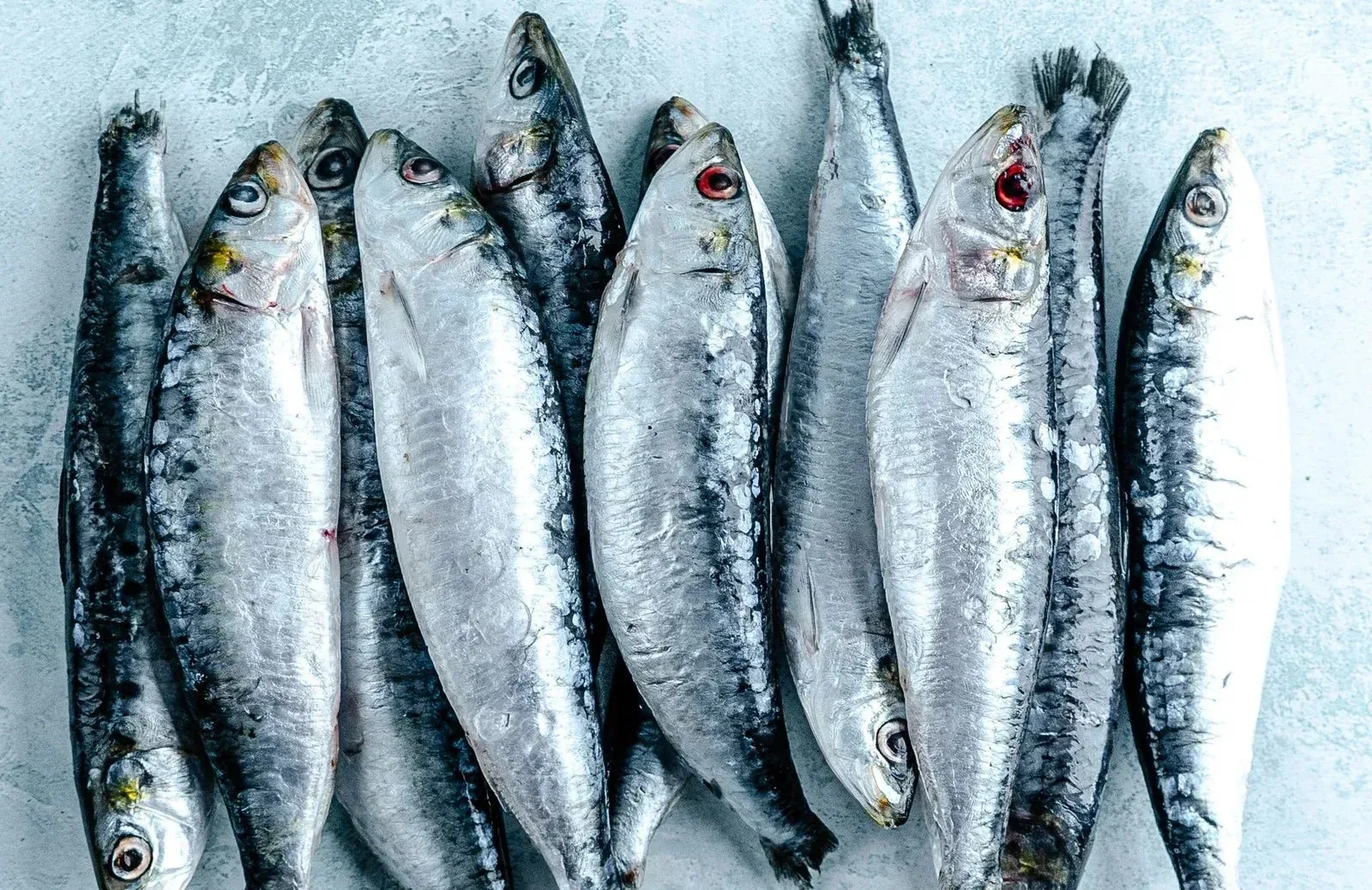
Vitamin E/Selenium Synergy
Raw meat is a poor vitamin E source. The pair NRC 2006 sets numbers for, and how to check both.
Updated October 21, 2026

Supplement Guide
Brand-agnostic supplement recommendations matched to your Nutrient Analyzer™.
Updated October 21, 2026

Am I Over-Supplementing My Dog?
The iodine and vitamin D upper limits, a real case, and how to check your baseline first.
Updated October 20, 2026
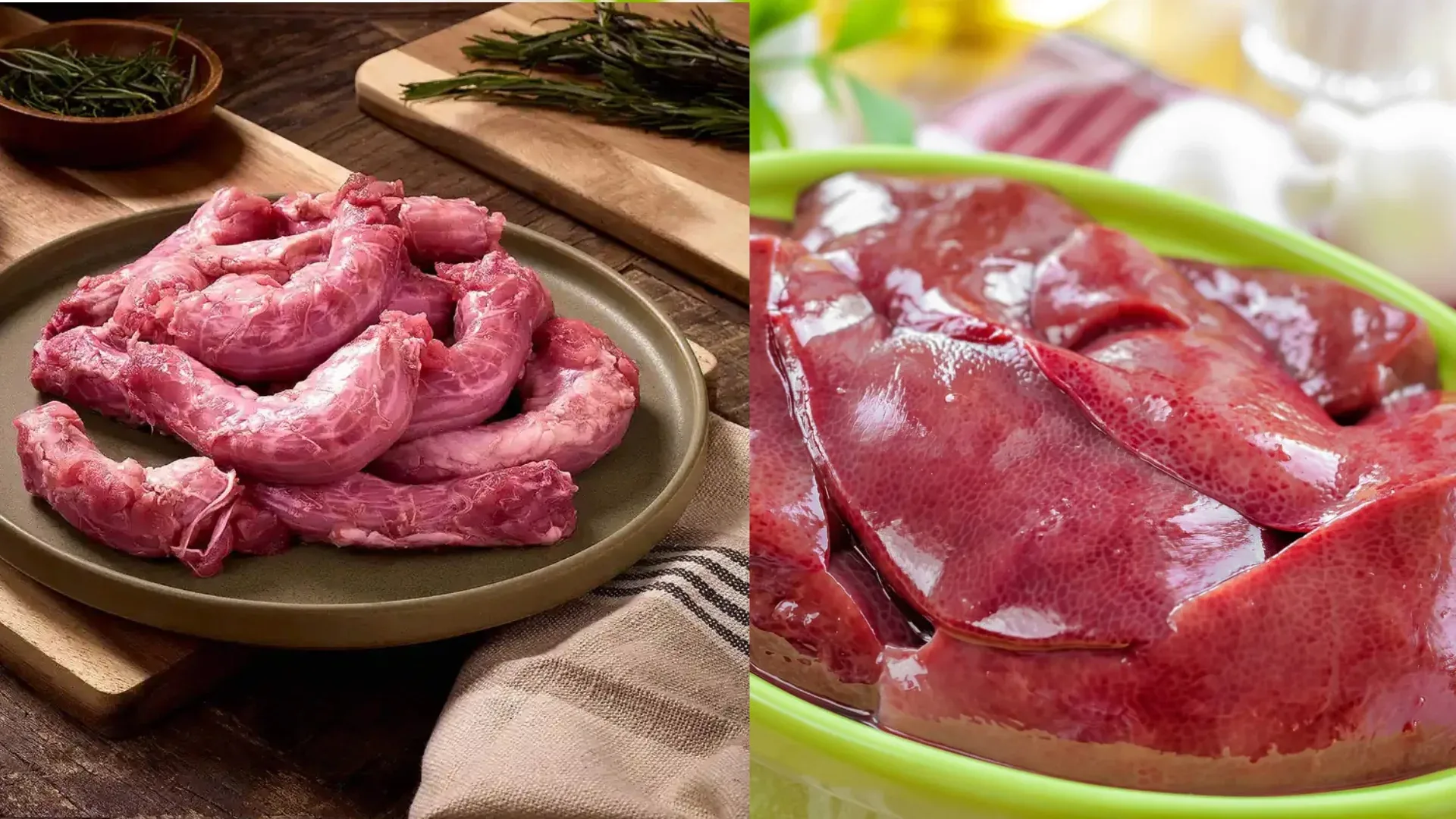
Calcium:Phosphorus Ratio
Two targets, not one – the ratio and the calcium amount. Why bone % predicts neither, with the grams-per-cut math.
Updated October 24, 2026
Metabolic Math & Calorie Scaling
Math helps you make fewer guesses. Learn how to calculate 80/10/10 ratios, portion percentages, and metabolic weight-based calorie estimates using NRC (2006) as a reference. Use liver limits and energy density as checkpoints, then adjust with real-world trends.

The 80/10/10 Ratio Guide
Why 80/10/10 works as a shopping framework and fails as a nutrient standard.
Updated October 21, 2026
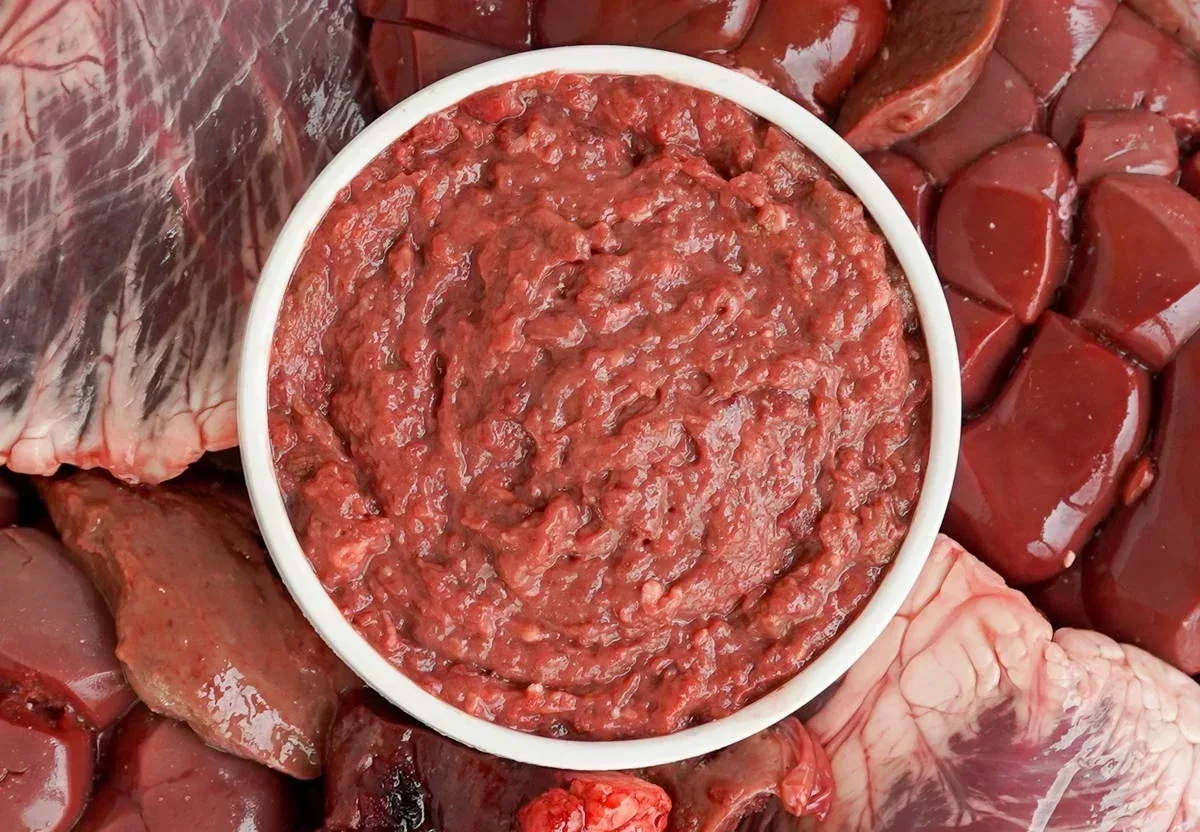
Organ Meat Ratios
Organ type matters more than the percentage: liver for vitamin A, kidney for B12, and 10% is a placeholder.
Updated October 20, 2026
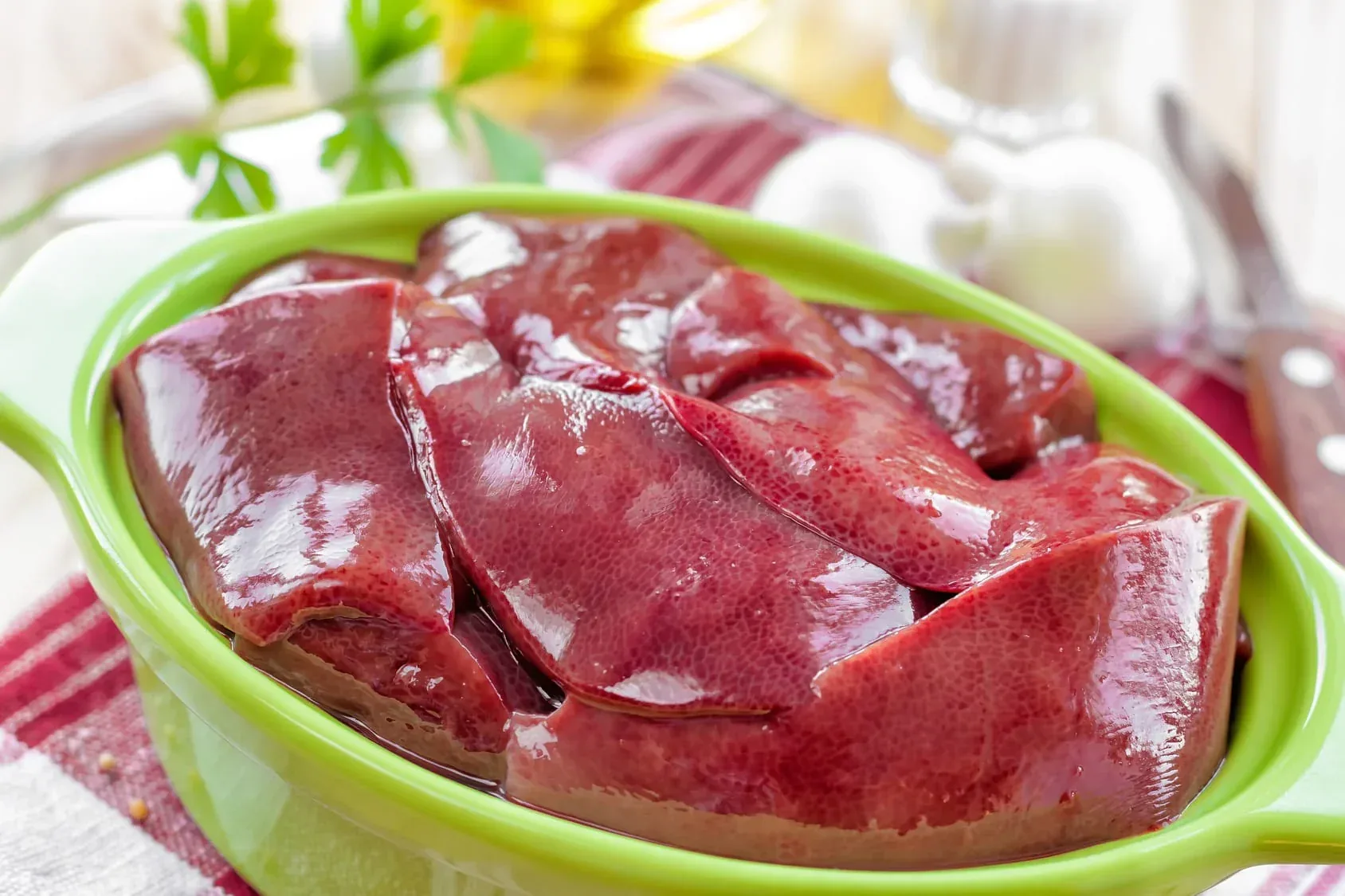
The Liver Limit
Liver at about 5% of weekly food by weight, the vitamin A ceiling behind that number, and how to scale it.
Updated October 21, 2026
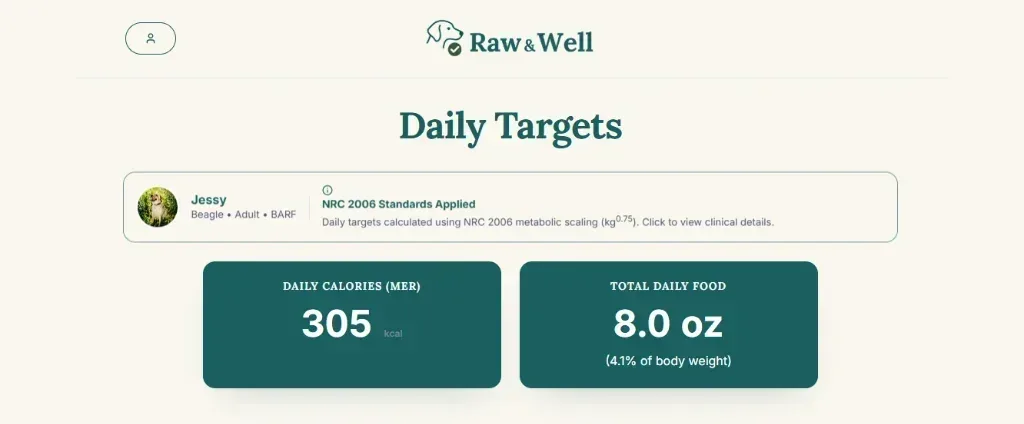
Calorie Tracking Guide
70 x BW(kg)^0.75, the life-stage multiplier, then body condition: the NRC method step by step.
Updated October 21, 2026
Raw Feeding Ingredients
Ingredient-first guides for raw feeders: whether a cut is muscle or organ, what NRC 2006 targets it helps cover, and how much belongs in the bowl without crowding out liver or skewing micronutrient totals.
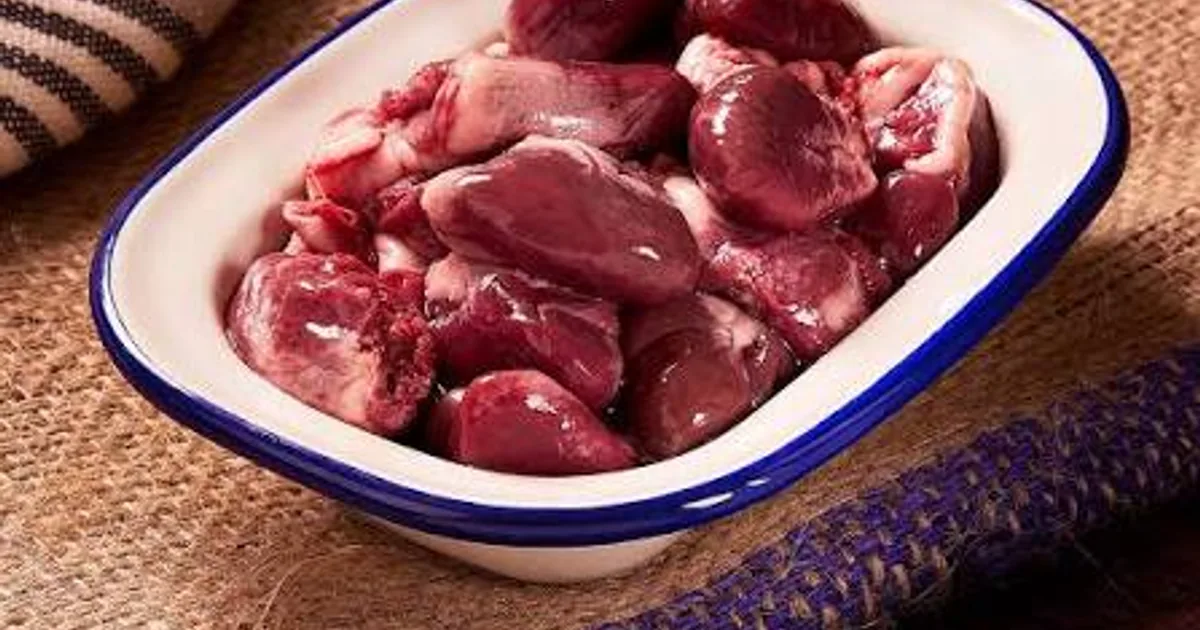
Beef Heart: Muscle, Not Organ
Why heart belongs in the muscle portion, not the organ 10%.
Updated October 26, 2026
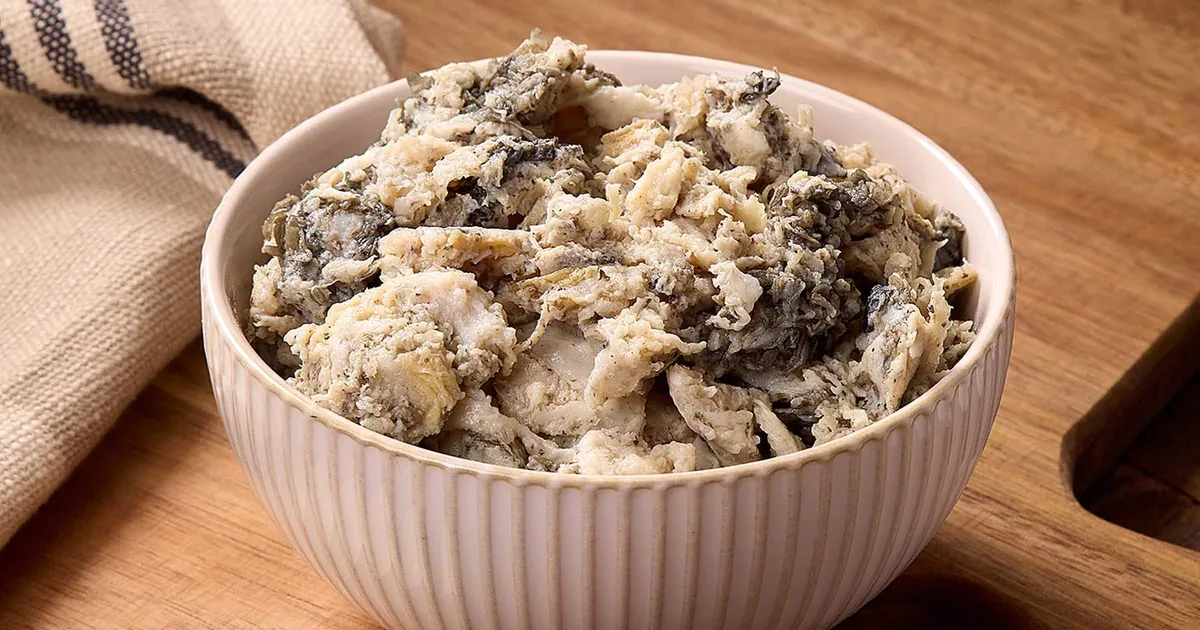
Green Tripe: The Manganese Math
Why tripe belongs in the muscle rotation — and what the probiotic story misses.
Updated October 20, 2026
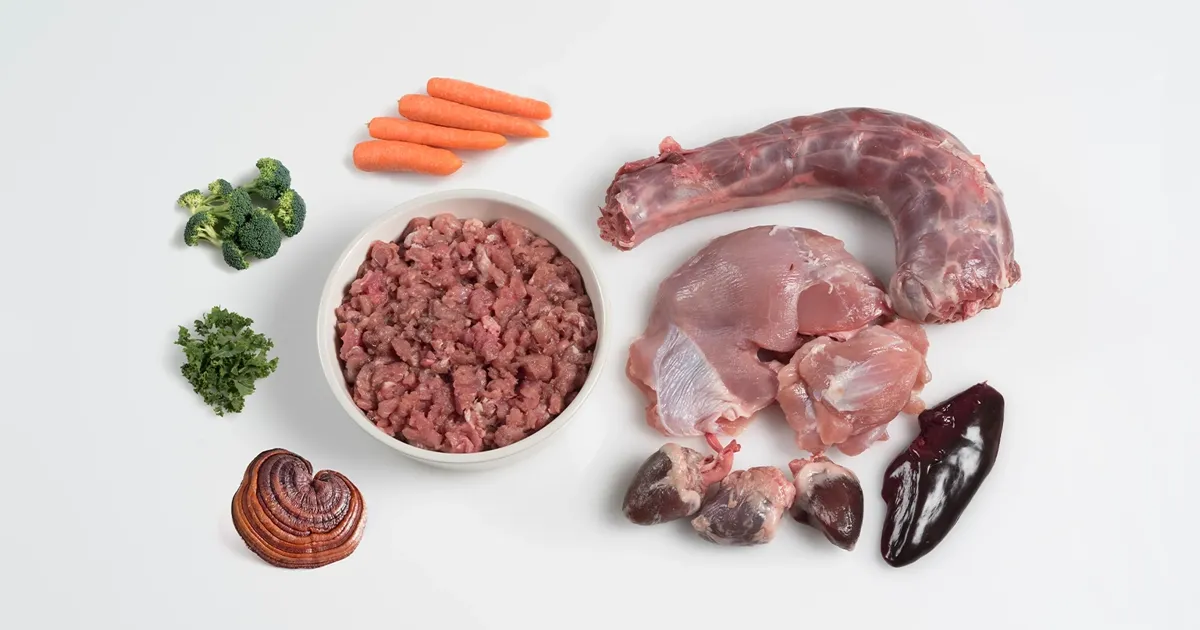
Raw Feeding Ingredients: What Each One Delivers
Why a category-complete list can still miss NRC targets — and how to build by delivery.
Updated October 21, 2026
Breed Guides
Different breeds carry different nutritional risks. From the POMC gene variant in Labradors that disrupts satiety signalling, to calcium limits for large and giant breeds, each guide applies NRC 2006 to that breed's size and known risks, which a generic percentage rule cannot do. Each guide covers the exact formula, the mineral targets, and the rotation adjustments your breed actually needs.

Health Recovery & Transitions
Switching from kibble to raw, and feeding a dog with IBD, leaky gut, diarrhea, pancreatitis or food allergies alongside a vet. These guides explain why transition symptoms are not “detox”, what the probiotic studies found, and which raw proteins fit a low-fat plan.
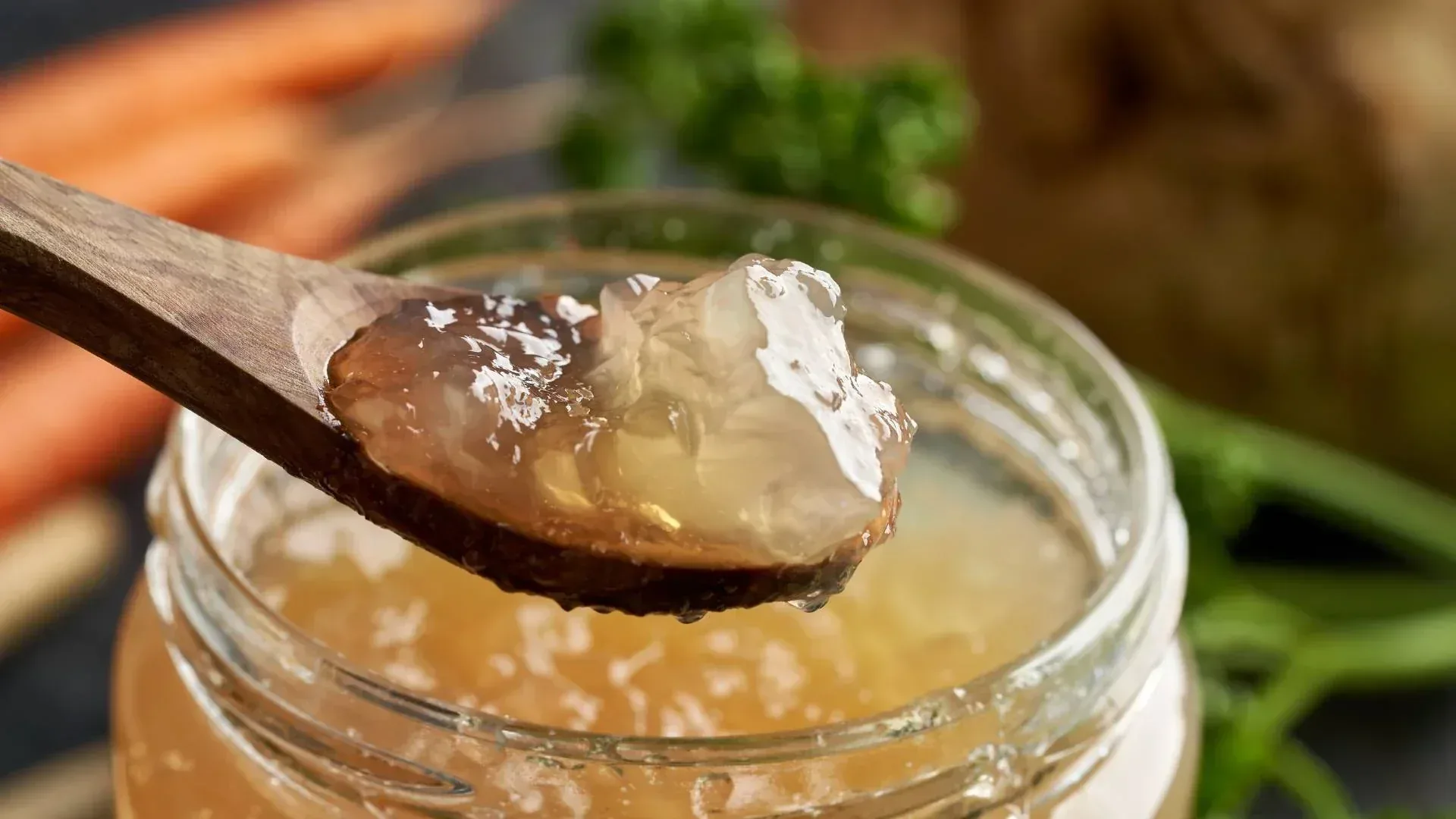
Raw Diet for a Dog With IBD
What a single-protein trial bowl delivers against NRC 2006 — and what it misses.
Updated October 24, 2026

The Diarrhea Protocol
Which loose stools settle in the first 7-10 days, and which ones mean calling the vet the same day.
Updated October 20, 2026
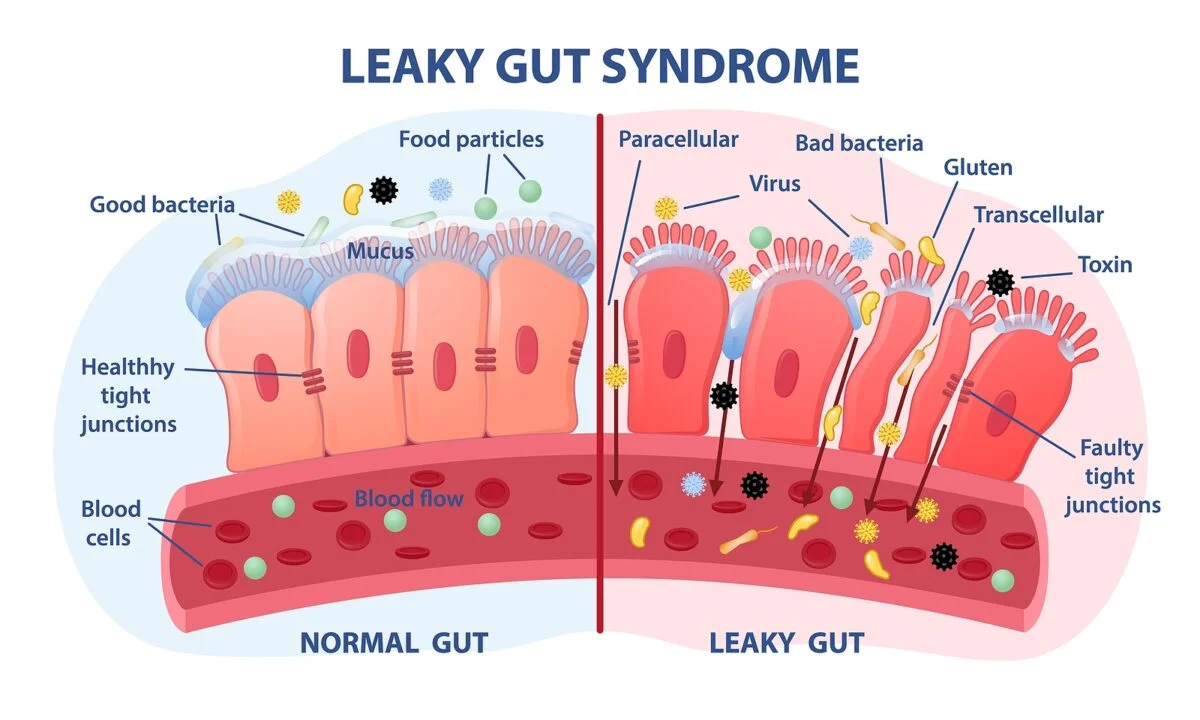
Leaky Gut Management
What “leaky gut” means, why no routine test confirms it, and what vets do first.
Updated October 21, 2026
Managing Food Allergies
An elimination trial takes 8-12 weeks, treats and chews included, so one protein and one set of rules.
Updated October 20, 2026
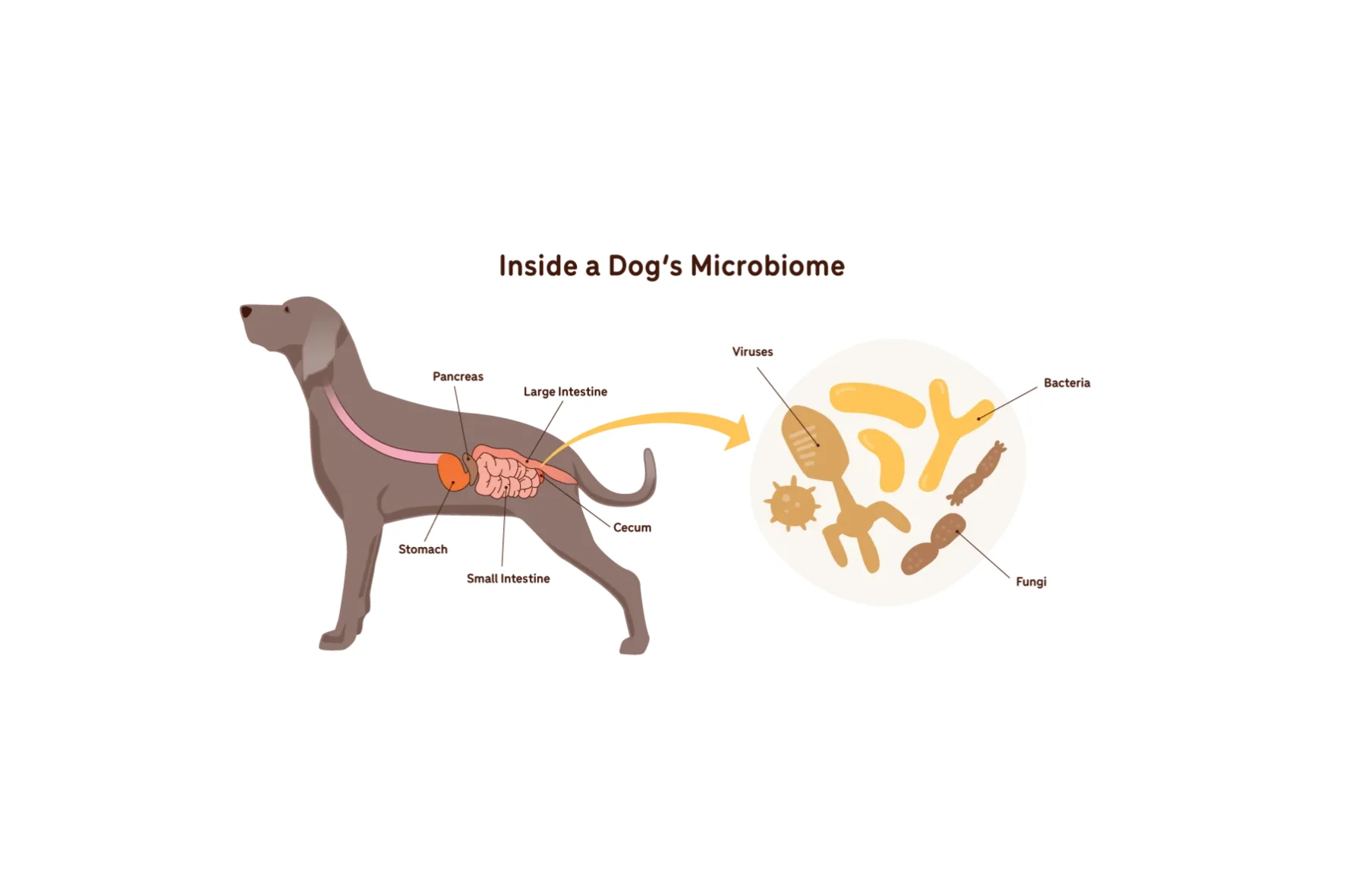
The "Detox" Myth
Why transition symptoms track the bowl's fat and organ load, not toxins — with the numbers.
Updated October 24, 2026

Probiotic Survival Guide
When a short probiotic trial makes sense, and what the dog studies found.
Updated October 21, 2026
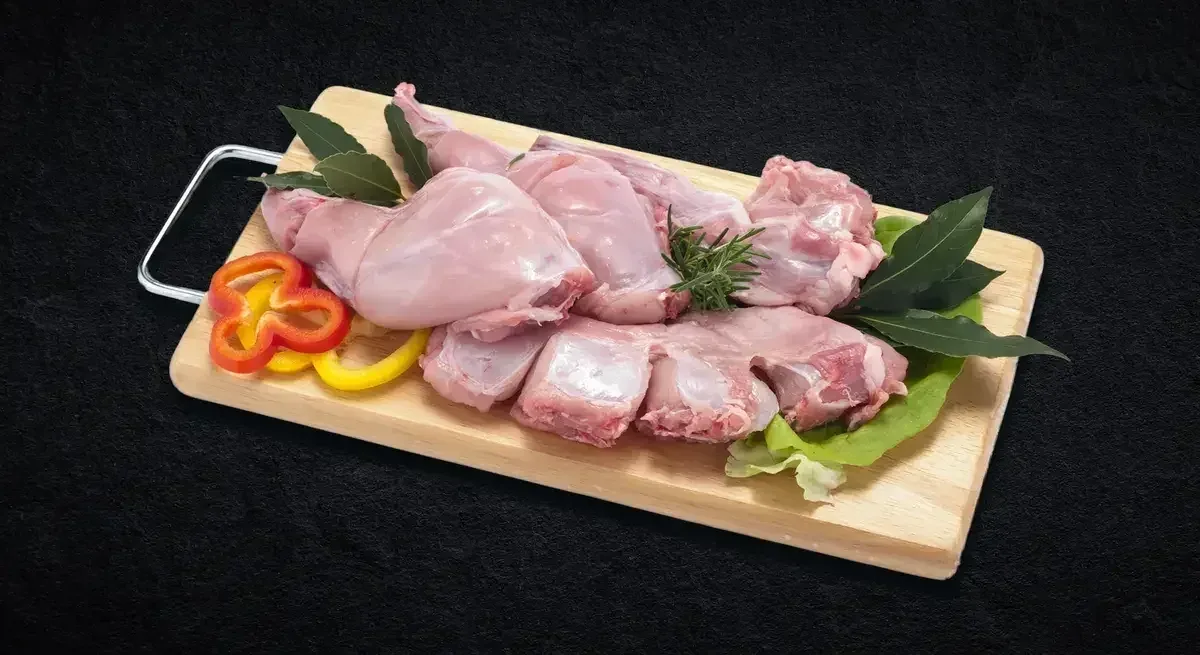
Pancreatitis: The Low-Fat Numbers
Which raw proteins clear the <30 g fat/1,000 kcal low-fat ceiling — and which don't.
Updated October 24, 2026

Kidney Disease & Phosphorus
Phosphorus density, appetite and muscle: what to change in a CKD bowl, working from your vet's staging.
Updated October 21, 2026

Senior Dog Nutrition
Senior dogs need about 1.3x adult protein, and most senior problems are calories and muscle, not raw vs kibble.
Updated October 20, 2026
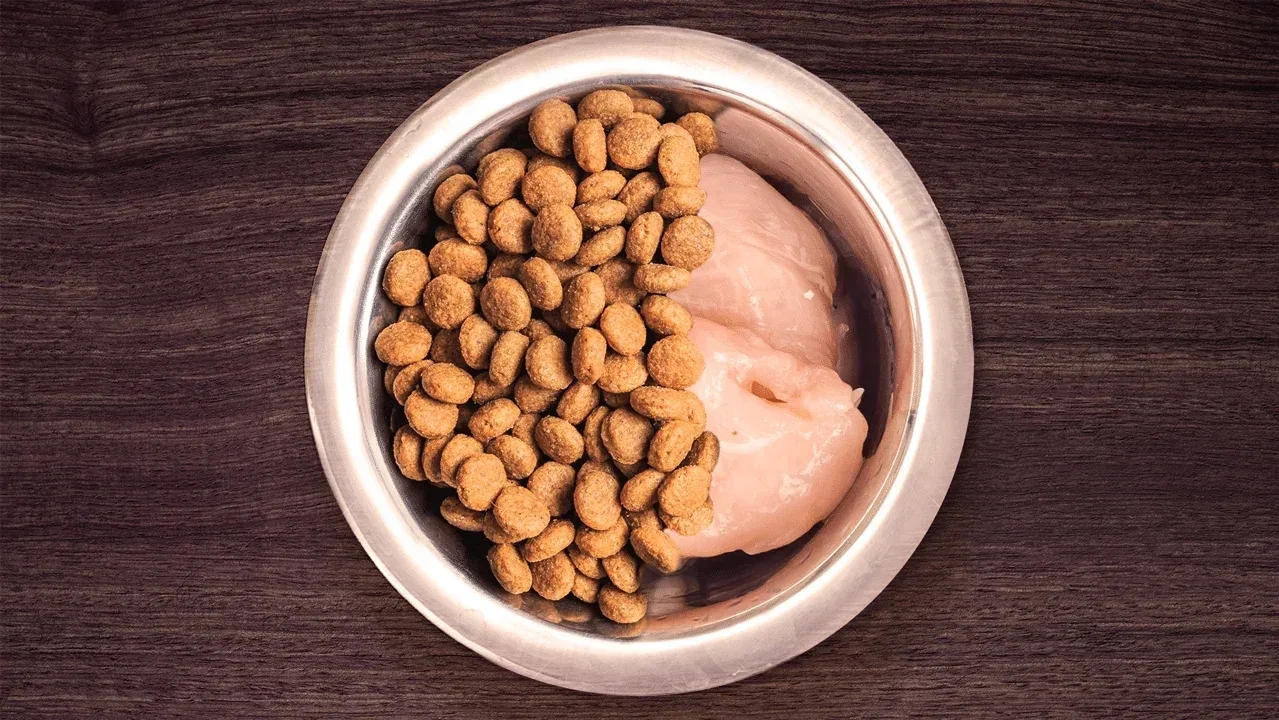
Kibble to Raw: The Stop-Start Guide
A 10-day switch that changes one thing at a time, with stool setting the pace.
Updated October 21, 2026
Raw Prep, Safety & Hygiene
Ensuring the safety of your canine and human household is a non-negotiable priority in raw feeding. Find sourced answers on raw bone safety (including chicken bones), pathogen management, and cross-contamination hygiene in multi-generational homes. From beginner recipes to the shelf life of fresh proteins, these guides show how to lower the risks raw feeding carries for your dog and your household.
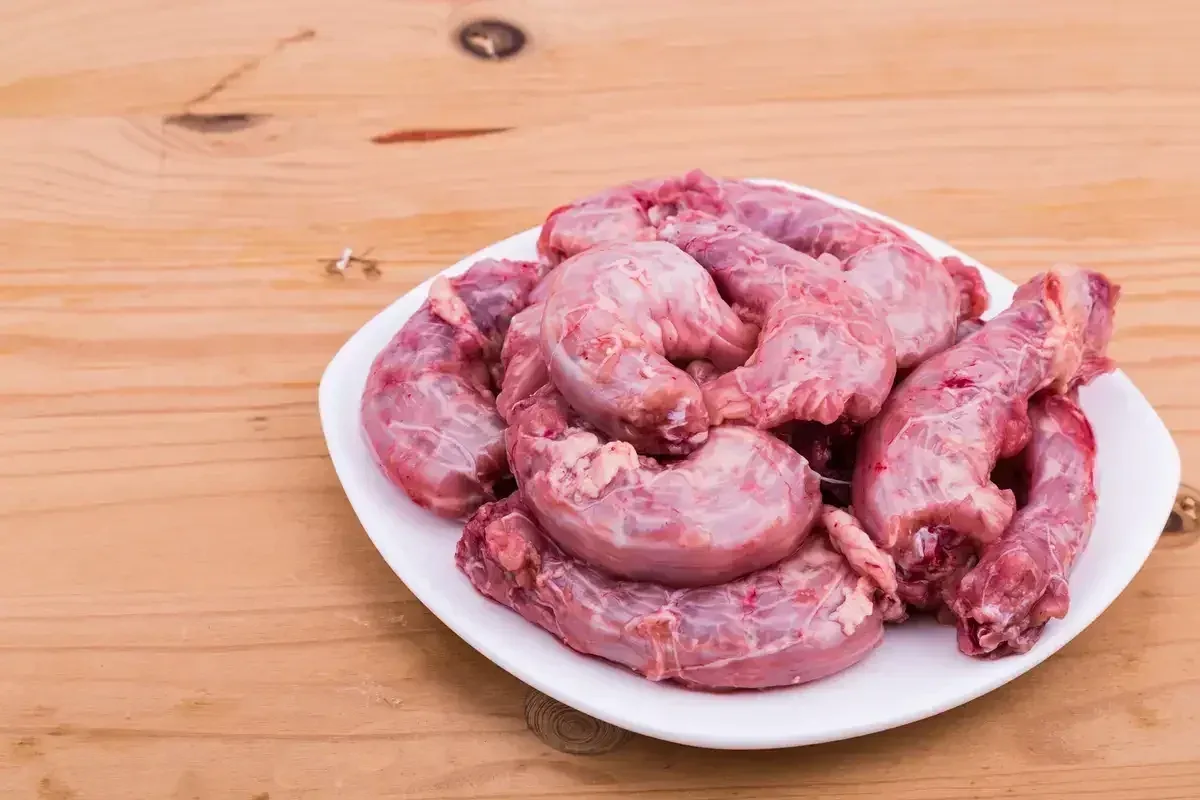
Can Dogs Eat Raw Chicken Bones?
Safe sizing, raw vs cooked, and the per-bone calcium math most guides skip.
Updated October 24, 2026

Raw Feeding & Human Safety
Separate tools, separate surfaces, reliable cleanup: what actually reduces risk in a baby home.
Updated October 20, 2026
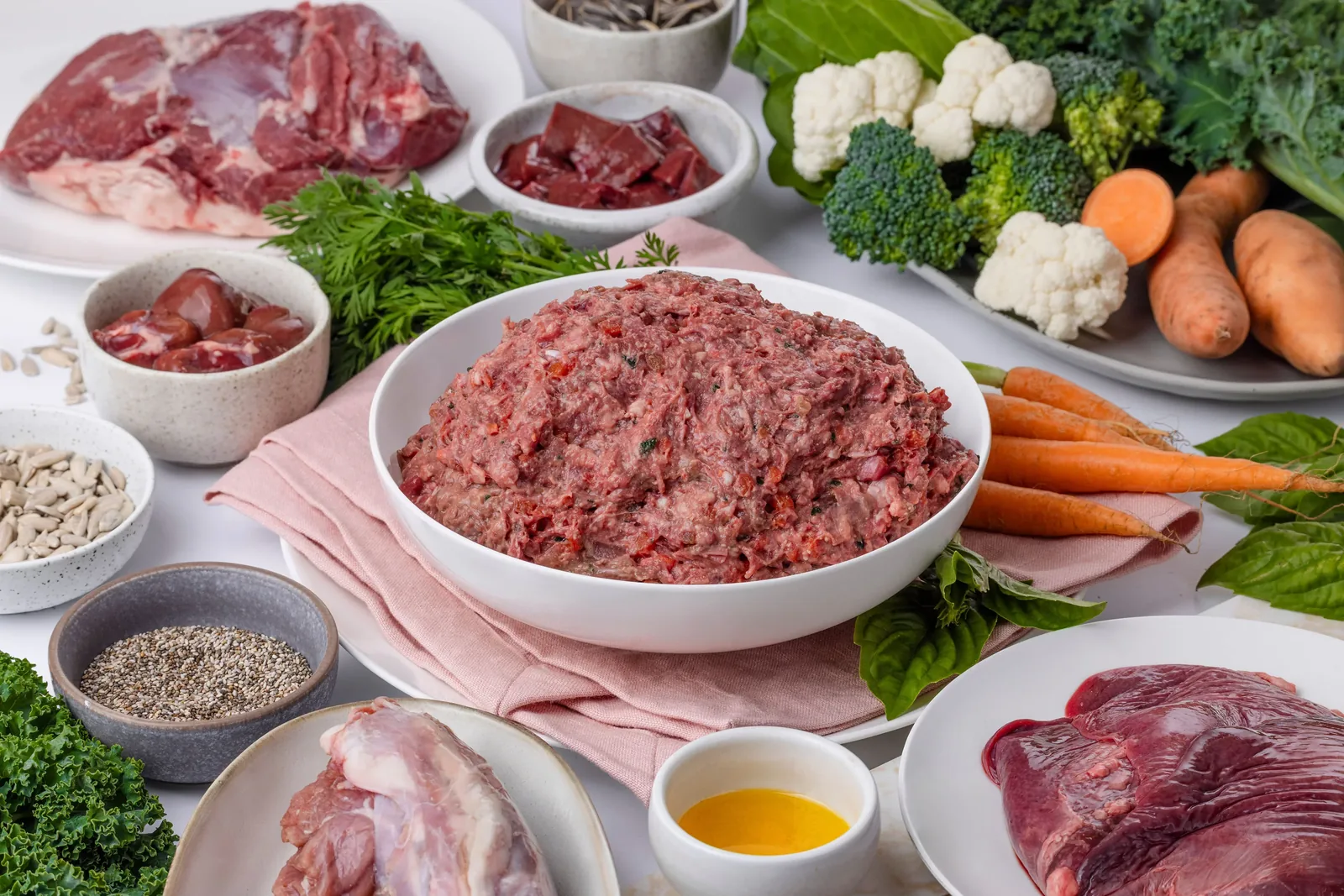
Raw Recipes for Beginners
One protein for the first two stable weeks, stool as the signal, then rotate.
Updated October 21, 2026
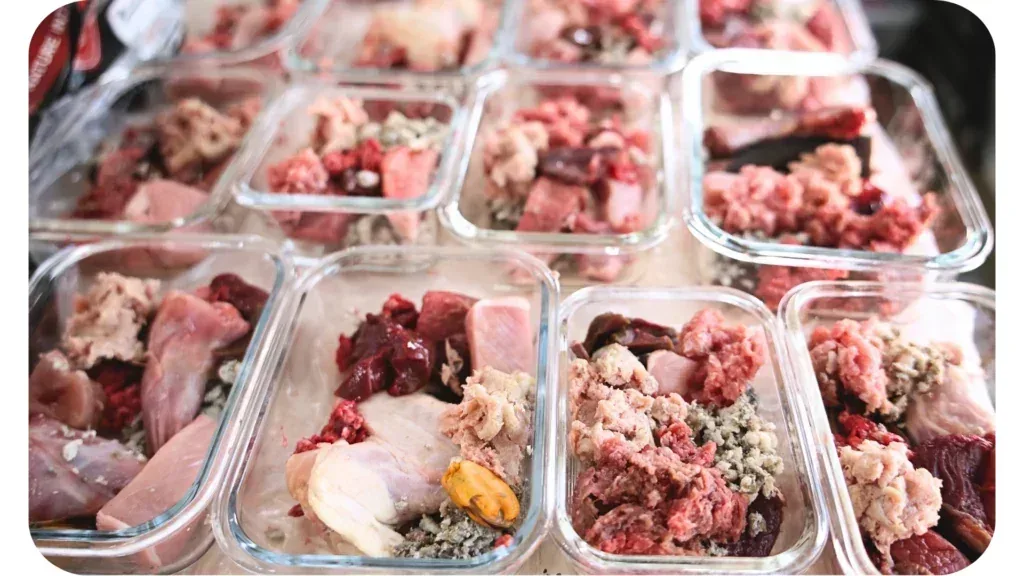
Shelf Life & Storage
2-3 days in the fridge, 3-6 months frozen, and smell or slime as a stop sign.
Updated October 21, 2026

Raw Feeding Puppies
NRC 2006 calorie and nutrient targets for every growth stage.
Updated October 27, 2026
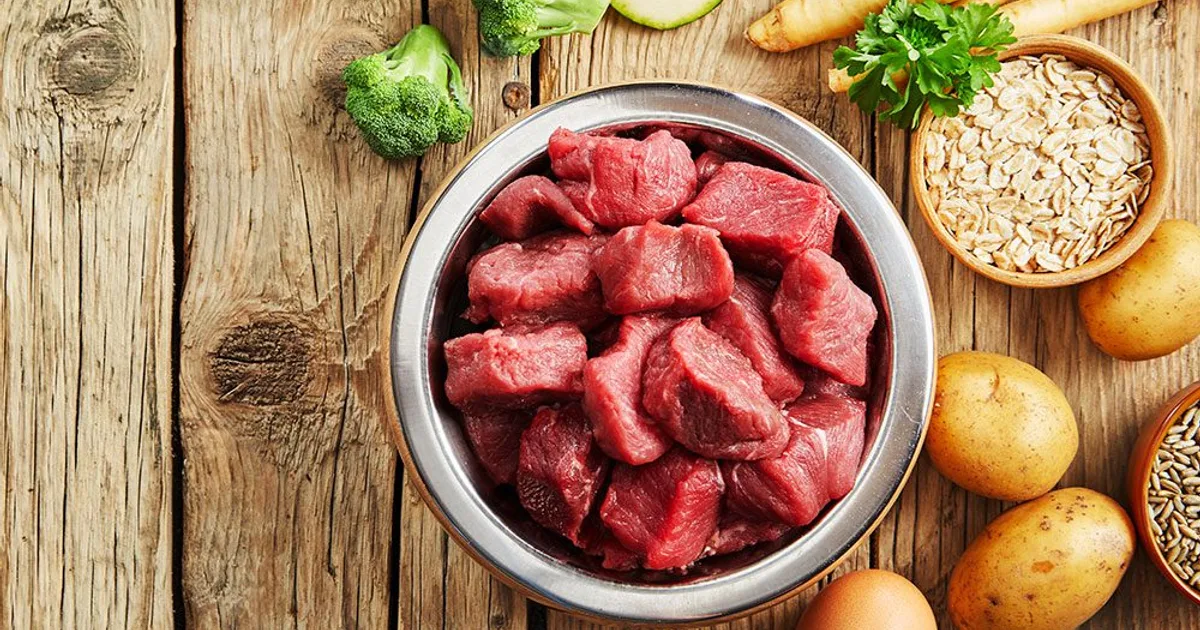
BARF vs PMR vs Raw Feeding
Which ratio model actually meets NRC 2006 targets — and where each one falls short.
Updated October 20, 2026