
Last Updated: March 29, 2026 – By Dr. Sarah Missaoui, DVM
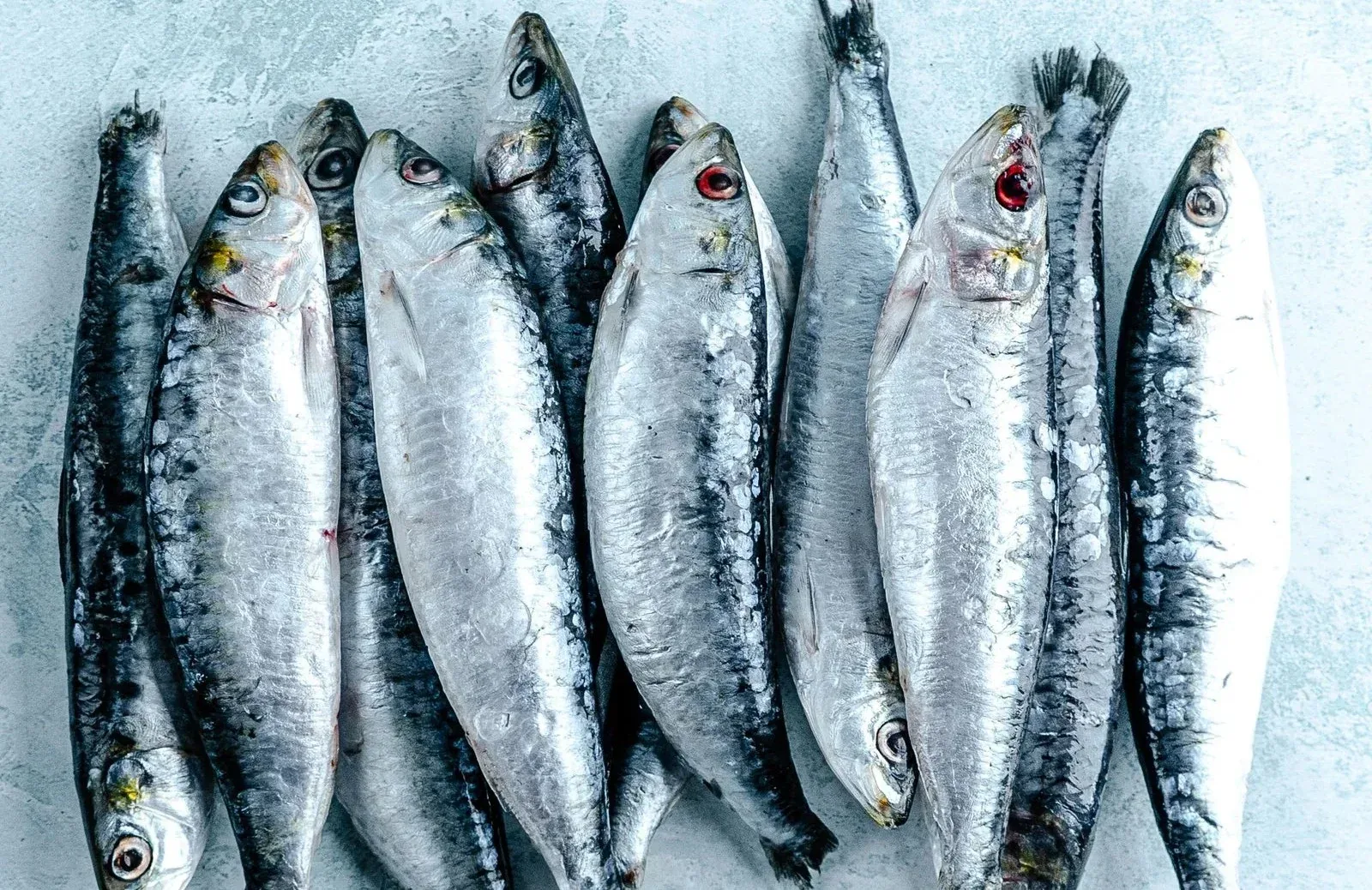
NRC 2006 sets vitamin E at 30 IU alpha-tocopherol per 1,000 kcal ME and selenium at 0.1 mg per 1,000 kcal ME. Muscle meat delivers almost none of either. Ground seeds, wheat germ, and fatty fish are the food-first fixes. Without an intentional source of both, oxidative muscle damage accumulates silently.
What Most Raw Feeding Conversations Miss
Most raw feeding conversations focus on ratios–80/10/10, muscle to organ to bone. That framing covers a part of the problem, but it misses the actual question: does your dog's body have the micronutrients it needs to handle the fats you're feeding? Vitamin E and selenium both protect against oxidative stress. They do different jobs. They show up in very different food sources. When a diet is heavy on muscle meat, both nutrients tend to fall short–not because muscle meat is bad, but because it just isn't dense in either one.
NRC 2006 discusses these nutrients using an energy-based frame (per calories eaten). In practice, your goal is a recipe you can repeat and audit, not a slogan about perfection.
| Aspect | Raw Feeding | Kibble | Home-Cooked |
|---|---|---|---|
| Nutritional Completeness | Needs careful formulation | AAFCO-compliant (minimums) | Often deficient without supplements |
| Micronutrient Control | Full control with NRC guidance | Fixed formula (synthetic) | Variable, often incomplete |
| Risk of Imbalance | Moderate if not formulated | Low (but processed) | High without testing |
| Time Investment | Moderate prep time | Minimal | High |
| Cost | $$-$$$ | $- | $$ |
Food-first vitamin E levers (in plain language)
- Ground seeds (for example sunflower seeds): dense source, but grind them so they're actually usable.
- Greens (for example spinach, kale, chard): can contribute vitamin E while keeping the recipe "food-like," but they aren't a magic fix by themselves.
- Fish and oils: can raise the need for antioxidant coverage; treat vitamin E as a deliberate counterweight when you add fats.
- Muscle meat alone: tends to contribute very little vitamin E, which is why many meat-heavy recipes need an intentional source.
Why vitamin E and selenium get confusing
You might recognize this pattern:
- ? Conflicting advice about oils, fish, and "antioxidants."
- ? One hard question: does this recipe include a deliberate vitamin E source, and am I stacking selenium without noticing.
Vitamin E and selenium feel confusing because "antioxidants" gets treated like a vibe, not a plan. If you track both as deliberate inputs, you can avoid accidental stacking and you can spot the real gaps.
Use a repeatable recipe and change one variable at a time. That is how you learn what helps your dog.
A practical reference frame
NRC (2006) is a key reference for canine nutrient targets, expressed in an energy-based framework. The practical win is a repeatable recipe with visible assumptions, not perfect-sounding claims.
Vitamin E and selenium often show up together in nutrition discussions because both relate to oxidative stress, but you do not need dramatic language to handle them well. Pick a food-first vitamin E source, keep selenium dosing conservative, and track the whole recipe.
Insight
If your recipe includes oily fish or added oils, you should treat antioxidant coverage as a deliberate design choice. Keep the recipe stable, then adjust one ingredient at a time so you can see what actually changes for your dog.
Source: NRC (2006). Nutrient Requirements of Dogs and Cats. National Academies Press.
How Deficiency Shows Up
Low antioxidant coverage can show up as nonspecific signs such as a dry coat or poor recovery after exercise. Severe weakness or tremors are medical signs. Treat them as a veterinary issue, not as a DIY nutrition project.
- Signs: Watch for muscle weakness, tremors, a loss of coordination, or chronically dry, itchy skin.
How to cover antioxidant basics without overcomplicating it
Start with the recipe as it is. Before adding anything, write down what the dog is actually eating (including oils, fish, and treats). "Hidden" sources are where stacking happens.
Add one deliberate vitamin E source. Ground seeds and greens are common food-first choices. Keep the rest stable for a couple of weeks so you can tell whether the change helped.
Keep selenium conservative. Selenium-dense ingredients can be hard to dose. If you supplement, do it consistently and avoid layering multiple high-potency sources. The same principle applies to all fat-soluble vitamins � they accumulate dose on dose, and knowing when you're crossing into over-supplementation requires a full per-1,000-kcal baseline.
Track simple outcomes. Coat dryness and exercise recovery are reasonable weekly notes. Muscle weakness, tremors, or acute illness are veterinary problems, not a DIY adjustment.
Raw & Well in one line: It tracks vitamin E and selenium alongside fats and oils so stacked sources show up as totals in consistent units.
People Also Ask About Vitamin E and Selenium in Raw Diets
Is wheat germ oil a high-vitamin E option for raw-fed dogs?
Some oils are very vitamin E dense, which can make dosing easy to overshoot. If you use an oil, treat it like a supplement: keep the rest of the recipe stable, dose consistently, and avoid stacking multiple high-dose sources.
What is lipid peroxidation and why does it matter in a raw diet specifically?
Lipid peroxidation is oxidation of fats. Diets higher in polyunsaturated fats can increase oxidative stress, which is one reason antioxidant coverage gets more attention when a recipe includes fish or added oils.
Is selenomethionine more bioavailable than inorganic selenium for dogs?
Different selenium forms can behave differently, but the practical risk in homemade diets is dosing too much or stacking sources. If you supplement selenium, do it under veterinary guidance and keep the rest of the recipe stable so you can evaluate changes safely.
Frequently Asked Questions
What about Brazil nuts for Selenium?
Brazil nuts can be very selenium-dense, which makes dosing unpredictable. If you use them, keep amounts very small and avoid using other selenium supplements at the same time.
Is Vitamin E oil safe to use?
Vitamin E oils can be used, but treat them like supplements. Start low, keep dosing consistent, and do not layer multiple high-dose sources without a clear plan.
What is the NRC 2006 antioxidant target?
NRC 2006 expresses vitamin E and selenium needs in an energy-based framework. The safe practice is to choose consistent ingredients, avoid stacking multiple high-potency selenium sources, and adjust the recipe in small steps while tracking the full diet.
Sources & References
- National Research Council. (2006). Nutrient Requirements of Dogs and Cats. Washington, DC: The National Academies Press. View Publication →
- USDA FoodData Central. (Accessed 2026). Nutrient data for foods used in raw and home-prepared diets. Database →
- Dillitzer et al., Br J Nutr 106(S1):S190–S192, 2011. Intake of minerals, trace elements and vitamins in bone and raw food rations in adult dogs. DOI →
- Veterinary guidance. If your dog has muscle weakness, tremors, or sudden collapse, treat it as a medical problem and seek veterinary assessment.
- FEDIAF. (2024, updated 2025). Nutritional Guidelines for Complete and Complementary Pet Food for Cats and Dogs. Brussels, Belgium: European Pet Food Industry Federation. View Guidelines →