
Last Updated: May 16, 2026 – By Dr. Sarah Missaoui, DVM
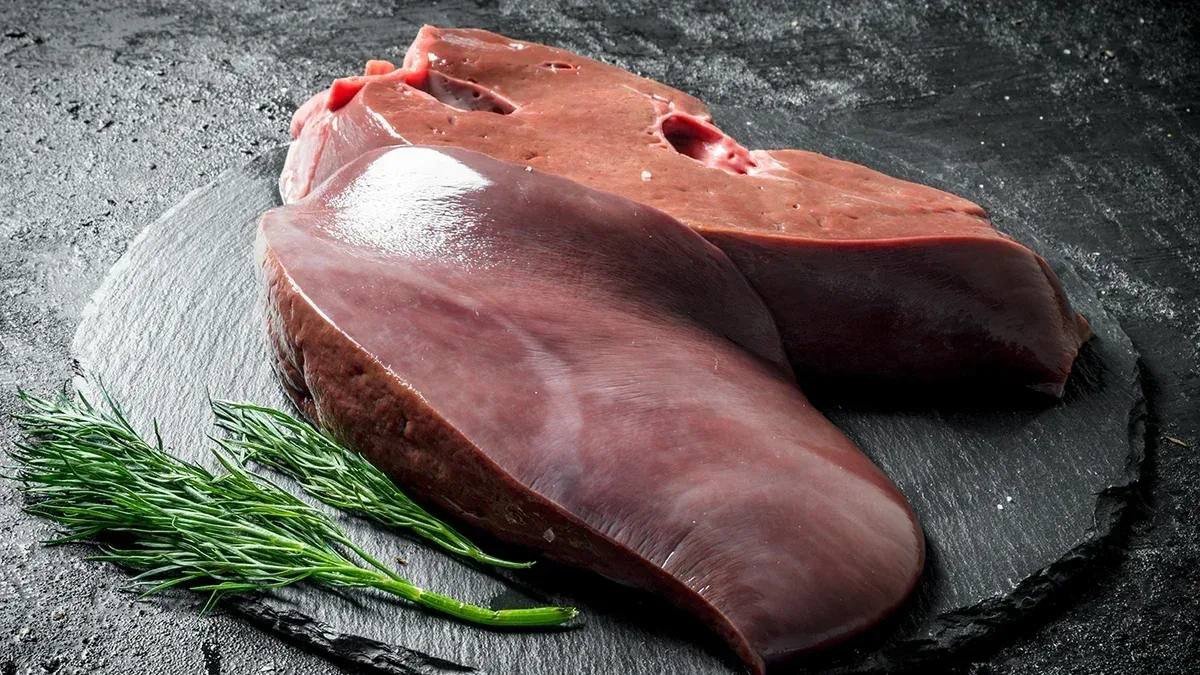
Copper gaps in raw diets aren't always about what's in the bowl – they're often about what else is in the bowl. Zinc supplementation, even at moderate levels, can suppress copper absorption through a shared gut transport pathway. The NRC 2006 adult maintenance target for copper is 1.83 mg per 1,000 kcal ME. Tracking copper and zinc together in energy-based units is the only way to see whether the ratio is actually working. In Bedlington Terriers, Dalmatians, and Labrador Retrievers, the concern runs the opposite direction – copper accumulation, not deficiency, which makes this a veterinary conversation for those breeds.
What copper deficiency looks like – and what it gets confused with
Copper supports iron handling, connective tissue synthesis, and coat pigmentation. When intake stays low for long periods, some dogs develop anemia-like patterns, coat color changes (black coats shifting toward reddish or brown), and reduced energy. Those signs have a lot of causes, so confirming with bloodwork before adjusting the diet matters more than reacting to symptoms alone.
The more common presentation I see isn't dramatic deficiency – it's a slow, flat picture that looks like something's off but doesn't point clearly at one mineral. Coat quality drifts. Energy is unremarkable. Nothing acute. That's the pattern where the zinc-copper interaction tends to be sitting underneath.
| Factor | Copper | Zinc |
|---|---|---|
| NRC 2006 adult maintenance target | 1.83 mg / 1,000 kcal ME | 15 mg / 1,000 kcal ME |
| Primary food sources in raw diets | Liver, shellfish, some organ meats | Muscle meat, red meat, oysters |
| Common supplementation reason | Rarely supplemented directly | Skin and coat support |
| Antagonism effect | Absorption drops when zinc is high | Absorbs preferentially when both present |
| Predisposed-breed concern | Accumulation risk (hepatopathy) in some breeds | Toxicity risk if oversupplemented |
Why the zinc-first framing is where problems start
Most raw feeding conversations about copper get stuck on the same fix: liver rotation. Rotate the organs, hit the copper. That vocabulary treats absorption as a given – you put copper in the bowl, the dog gets copper – and it skips the part where other things in the recipe actively interfere with how much copper actually moves across the gut wall.
You probably know zinc matters for skin. A lot of raw feeders do. What you might not know is that zinc and copper compete for the same intestinal transport proteins, and when zinc is consistently elevated, copper uptake drops measurably. It's not a subtle nutrient interaction. If you've been adding zinc for a coat issue and the coat still looks flat six months later, the mineral picture is worth pulling apart before you change anything else in the recipe.
The question I ask first isn't "does the recipe contain copper?" It's "what does copper absorption look like given the zinc load?" NRC 2006 puts the adult maintenance target around 1.83 mg per 1,000 kcal ME. I've reviewed recipes where copper delivery looked fine in isolation – until I ran the zinc alongside it. The ratio between them changes the picture entirely.
I had a four-year-old Labrador come in with a coat that had gone from dark to a flat, reddish cast over about a year. The owner was feeding a muscle-meat base with liver twice a week and rotating two or three proteins. They'd added a zinc supplement about eight months prior after reading about skin support in a raw feeding group. When I ran the recipe, copper was present but zinc was sitting at more than four times the NRC target. That's the kind of ratio where the absorption math stops working in copper's favor. We confirmed the picture with bloodwork, pulled the zinc supplement, and I re-ran the diet three months out.
The copper-zinc antagonism doesn't surface if you're only looking at one mineral at a time. It also disappears completely if you're working in ingredient percentages rather than energy-based units. A recipe described as "80/10/10" doesn't tell you how many milligrams of copper per thousand kilocalories you're actually delivering, or how that sits against a zinc load that may be coming from muscle meat, organ, and a separate supplement simultaneously. Those numbers need to be in the same unit system before the comparison is meaningful.
"The copper-zinc antagonism is mechanistic, not marginal. At a zinc-to-copper ratio above roughly 10:1, intestinal metallothionein binds copper preferentially, reducing net copper absorption. This isn't an edge case – it's the documented pathway. A raw diet that looks copper-adequate on paper can still deliver inadequate copper to tissue when zinc is consistently elevated."
– Clinical note, Dr. Sarah Missaoui, DVM
Bedlington Terriers, Dalmatians, and Labrador Retrievers carry documented genetic risk for copper-associated hepatopathy – which means the copper conversation in those breeds runs in the opposite direction. Accumulation, not deficiency, is the concern. If your dog is from one of those lines, or if liver enzymes have ever flagged on bloodwork, copper strategy isn't something I'd approach from a blog. Any protocol that pushes intake higher without current labwork is the wrong direction for a predisposed animal.
For most dogs, the practical problem is quieter than deficiency. Poultry-heavy diets tend to run low on copper by default. Liver twice a week sounds like reliable coverage, but the actual milligrams depend on how much liver, how lean the surrounding recipe is, and whether a zinc supplement is sitting on top of it. I've seen owners rotating organ meat carefully and still landing below 1.83 mg per 1,000 kcal ME when you account for the full energy base and the recipe's caloric density.
When you track copper and zinc together in consistent units, the recipe usually shows you something the bowl doesn't. Sometimes there's a gap. Sometimes an excess on one side is running alongside a gap on the other. Sometimes both numbers look reasonable and the issue is somewhere else – absorption, inflammation, something the recipe isn't responsible for.
The cases that take the longest to sort out are the ones where copper intake looks fine on paper. Those need labwork before they need recipe changes, and sometimes the labwork reframes the question entirely.
Questions owners ask about copper
My dog eats liver twice a week. Does that cover copper?
Frequency isn't the same as milligrams delivered. How much liver per meal, how lean the rest of the recipe runs, and whether a zinc supplement is present all shift the actual copper delivery. The only way to confirm coverage is to run the full recipe in energy-based units against the NRC 2006 target of 1.83 mg per 1,000 kcal ME.
Can I supplement copper directly instead of relying on food sources?
Copper supplements exist, but they're easy to mis-dose – the margin between adequate and excessive is narrow, and in breeds with hepatopathy risk, supplementing without labwork can cause harm. Food-first sources are easier to portion and adjust. If you feel the diet needs direct supplementation, that conversation should happen with your vet alongside current bloodwork.
Does rotating proteins help with copper coverage?
Protein rotation changes which amino acids you're cycling. It doesn't reliably change copper delivery unless the rotation specifically includes a meaningful copper source – and poultry-to-poultry rotation changes very little. The gap in copper usually comes from recipe composition and zinc load, not protein variety.
Frequently asked clinical questions
Can zinc supplements cause copper deficiency in raw-fed dogs?
Yes – zinc and copper share intestinal transport proteins, so consistently high zinc intake suppresses copper absorption. This is a documented antagonism, not a theoretical concern. If you're supplementing zinc for skin or coat issues, check the full mineral ratio against an energy-based reference before assuming copper delivery is adequate.
What breeds are most at risk for copper-related liver problems?
Bedlington Terriers, Dalmatians, and Labrador Retrievers carry documented genetic risk for copper-associated hepatopathy. In these breeds the concern runs opposite to deficiency – copper accumulation. If your dog is from one of these lines, copper strategy should be discussed with your veterinarian before any recipe changes.
How do I know if my dog is getting enough copper from liver?
The amount of liver alone doesn't confirm copper adequacy. What matters is how many milligrams the full recipe delivers per 1,000 kcal ME, and how that sits relative to the zinc load. Tracking both minerals in consistent energy-based units is the only way to see whether the ratio is working in copper's favor.
Sources & References
- National Research Council. (2006). Nutrient Requirements of Dogs and Cats. Washington, DC: The National Academies Press. View Publication →
- USDA FoodData Central. (Accessed 2026). Nutrient composition data for raw meats, organ meats, and shellfish. Database →
- Brewer GJ, Dick RD, Schall W, et al. Use of zinc acetate to treat copper toxicosis in dogs. J Am Vet Med Assoc. 1992;201(4):564-568. PubMed →
- Fascetti AJ, Delaney SJ. (2012). Applied Veterinary Clinical Nutrition. Wiley-Blackwell. Chapter 6: Minerals and mineral interactions.
- FEDIAF. (2024, updated 2025). Nutritional Guidelines for Complete and Complementary Pet Food for Cats and Dogs. Brussels, Belgium: European Pet Food Industry Federation. View Guidelines →