
Published July 28, 2026 – By Dr. Sarah Missaoui, DVM
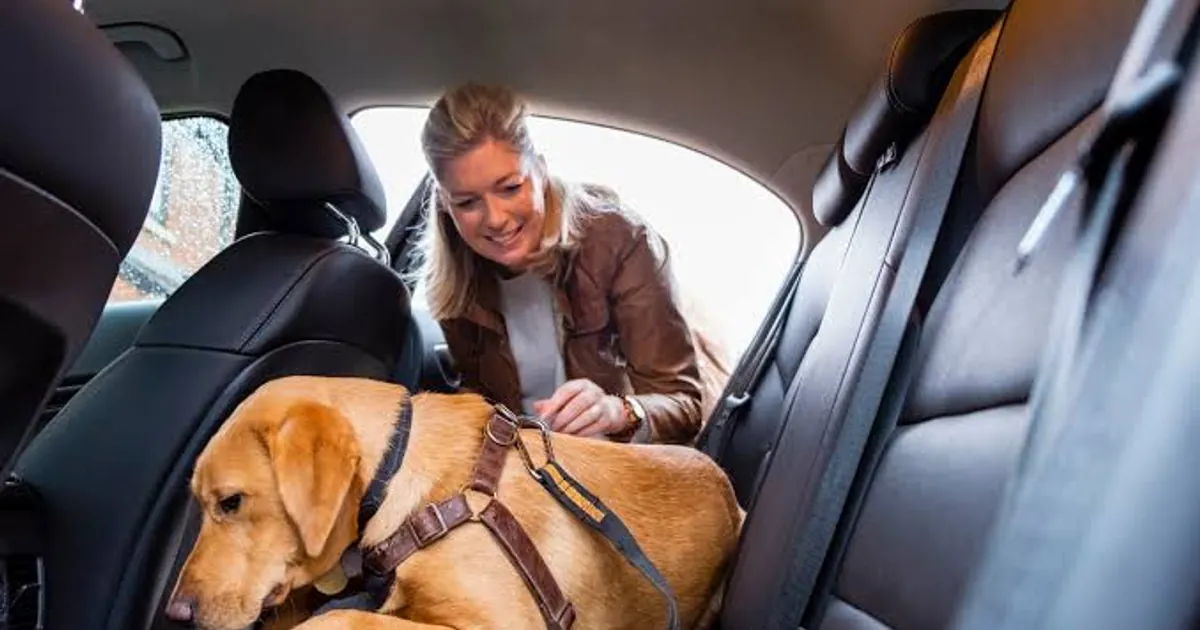
You have a day coming that your dog didn't agree to. A long drive, a house move, a party at home, a wedding they're invited to. You've thought about the leash and maybe a calming chew. The part that catches most owners out is quieter and further inside: the same day lands on the dog's stomach before it lands anywhere else.
The short version, if you only have a minute. Keep the food and the feeding times exactly as they always are, keep water in front of them all day, don't force a meal into a stressed dog, and don't panic at one soft stool. If you feed raw, most of your dog's water arrives in the bowl: raw and fresh meat runs around two-thirds to three-quarters water, so a skipped meal on a busy day quietly takes water with it, not just calories. That fact changes how you plan the day more than any supplement will.
Why is a big day harder on a dog than it looks?
Stress in a dog isn't only a mood. It's a set of physical changes, several running straight through the digestive tract. When a dog is anxious, the body pushes out cortisol and adrenaline and shifts blood flow toward the muscles and away from the gut – useful for running from something, unhelpful if you were about to digest breakfast. Appetite drops because the machinery that handles food has been told to stand down. The gut also speeds up.
That's the piece owners feel the next morning.
None of this means your dog is fragile. Your job isn't to switch the response off; it's to give it less to react to.
Keep the food boring on purpose
The most common trigger for a travel-day upset stomach isn't the travel. It's the well-meant change that rides along with it – a different food at the venue, novel treats from a relative, table scraps because it's a special occasion. A dog's gut is tuned to what it eats regularly, and a sudden switch is the classic route to stress-related loose stool.
So the plan is dull, and dull is the point. Same food, same portions, same rough timing, packed and brought with you – more than you think you need. If you were ever going to change your dog's diet, the week of a big event is the one week not to; any change in food deserves a slow, calm runway, and a chaotic day is the opposite of one.
Should you feed before a long day or before travel?
Feed a smaller meal, and feed it early – two to three hours before you leave, not as you're clipping the harness. A full stomach dropped into a moving car is the most dependable way to produce nausea, and a dog that's just been carsick now associates the trip with feeling awful.
Water is the opposite: it stays available, start to finish. Dogs are good at rehydrating when you let them: a healthy dog that's run short will normally drink back around six percent of its body weight within an hour once it's calm and the bowl is there (a figure documented in NRC 2006). The catch is the calm part: a dog too wound up to settle often won't drink either, which is how a long, hot day slides toward dehydration without anyone noticing. Offer water at every pause, from a bottle and bowl your dog already knows.
Travel and the long hours in between
On the road, three things keep a dog steady: water it'll actually drink, food handled safely, and a rhythm that isn't all go. The food is where raw feeders have one extra job.
Raw and fresh diets are perishable in a way kibble isn't, and a warm car spoils them. Pack meals frozen in an insulated cooler with ice packs, and treat the same handling rules for raw food you'd use at home as non-negotiable on the road – thawed raw doesn't sit out at a rest stop. If a cooler isn't realistic, a few days of a gently cooked version of the same ingredients travels more forgivingly.
Then build in stops. A dog that's held still and held tension for hours needs to get out, sniff, and drink before the next leg. The walk isn't just a toilet break; it's the pressure valve.
When your dog won't eat – and when to worry
A dog that turns its nose up at dinner in the middle of an upheaval is usually telling you something ordinary: I'm too keyed up to eat right now. That's allowed. An adult dog stays perfectly healthy on a single meal a day; NRC 2006 treats one daily meal as normal for grown dogs, so one missed or delayed meal on a stressful day is not the emergency it feels like. Take the food up, keep the water down, and offer again once things are calm. Most dogs eat when they can.
What isn't routine is worth naming plainly. A dog that won't drink for hours, vomits repeatedly, has loose stool with blood, or is flat and withdrawn rather than simply wired – that dog has crossed from "having a hard day" into "possibly unwell." That's the point to stop managing and start calling.
The wedding day itself
Weddings are their own animal, because the dog is usually meant to be in it – down the aisle, in the photos, greeting a hundred strangers. That's a lot to ask of a body already running on adrenaline, and it's worth planning around.
Feed light and early that morning, the same as any big day. Give your dog a job with an end to it: down the aisle, a few photos, then a genuine exit to a quiet room with water, their own bed, and a person whose only task is the dog. The venue matters more than people expect – a place used to animals has shade, water, and somewhere to retreat, and venues genuinely set up for dogs, like this pet-friendly wedding venue in Auckland, make the whole day far easier on the animal than a room that's tolerating one. Assign one person, not the couple, to watch the dog, read the early signs of "I'm done," and take them out before done becomes a scene.
A short pre-event checklist
Nothing here is complicated. Pack the dog's regular food, more than a day's worth, kept cold if it's raw, with the usual bowls and a water bottle. Feed light and early, hours before any motion, and keep water in reach at every lull. Bring one thing that smells of home: a bed, a blanket, a worn toy. Name the calm-down spot and the calm-down person before you arrive, not once the dog is already over threshold. And leave the novel treats, the cake, and the guests' good intentions out of the dog's bowl.
The through-line
A dog copes with a disrupted day the way it copes with most things: better when the ground underneath stays familiar. You can't make a wedding quiet or a move short, but you can keep the two things its body leans on hardest exactly where they always are: the food it knows, and water it can reach. Get those right and the gut mostly takes care of itself, which frees you up to enjoy the day the dog is, against its better judgement, attending.
Sources & References
- National Research Council. (2006). Nutrient Requirements of Dogs and Cats. Washington, DC: The National Academies Press. Water content of meat and fish diets (dogs maintain water balance on food of ~67-73% moisture); rapid canine rehydration (replacing ~6% of body weight within an hour); one-meal-a-day as normal for healthy adult dogs; colonic water reabsorption and gut transit. View Publication →
- VCA Animal Hospitals. Dog Behavior and Training – Travel: Air and Car. Guidance on feeding before travel and reducing motion sickness. VCA →